Are you searching for the ideal online teaching platform to cater to your e-learning needs? Look no further! In this ultimate guide, we will walk you through the process of choosing the perfect platform that meets all your requirements. Whether you are an individual instructor, a small educational institution, or a large corporation, finding the right online teaching platform is crucial for a successful e-learning experience.
With the increasing demand for online education, there is a wide range of platforms available in the market, each with its unique features and benefits. However, navigating through the vast options can be overwhelming and time-consuming. That’s where our guide comes in handy!
We will explore key factors to consider when selecting an online teaching platform, including ease of use, customization options, technical support, pricing, and scalability. Additionally, we will provide insights into popular platforms and their standout features, giving you a comprehensive overview to make an informed decision.
Stay tuned as we empower you to find the perfect online teaching platform that aligns with your goals and creates an exceptional e-learning experience for your students. Let’s dive in!
Factors to consider when choosing an online teaching platform
When it comes to choosing the perfect online teaching platform, there are several important factors to consider. These factors will ensure that the platform you choose aligns with your specific needs and goals. Let’s take a closer look at each of these factors:
Ease of use
One of the primary factors to consider is the ease of use of the online teaching platform. The platform should have a user-friendly interface that makes it easy for both instructors and students to navigate and utilize its features. Look for platforms that offer intuitive design and straightforward workflows, allowing you to focus on delivering high-quality content rather than struggling with technical complexities.
Additionally, consider whether the platform offers a mobile-friendly experience. With the increasing use of mobile devices, it’s important to choose a platform that allows students to access and engage with the content seamlessly on their smartphones or tablets.
Customization options
Every educator has their unique teaching style, and it’s important to find a platform that allows you to customize the learning experience according to your preferences. Look for platforms that offer a wide range of customization options, such as the ability to personalize the course layout, branding, and content organization. This flexibility will enable you to create a cohesive learning environment that reflects your teaching philosophy and engages your students effectively.
Technical support
Technical issues can arise at any time, and having reliable technical support is crucial for a smooth e-learning experience. Ensure that the platform you choose provides robust technical support, including responsive customer service and comprehensive documentation. Look for platforms that offer 24/7 support and multiple channels of communication, such as live chat, email, or phone support. Additionally, check if the platform has an active community or forum where you can seek help from other educators and share best practices.
Pricing and scalability
Another important factor to consider is the pricing structure of the online teaching platform. Evaluate your budget and determine whether the platform offers pricing plans that align with your financial resources. Some platforms offer free plans with limited features, while others have subscription-based pricing models with various tiers. Consider your current needs and future growth prospects to ensure that the platform is scalable and can accommodate your evolving requirements without breaking the bank.
Comparing pricing plans and subscription options
When comparing different online teaching platforms, it’s essential to evaluate their pricing plans and subscription options. Here are some key points to consider:
Free plans
Some platforms offer free plans that allow you to get started without any upfront costs. However, these free plans often come with limitations, such as limited storage space, restricted access to advanced features, or branding of the platform on your courses. Evaluate whether the free plan meets your immediate needs or if you require additional features offered in paid plans.
Subscription-based pricing
Most online teaching platforms offer subscription-based pricing models, where you pay a monthly or annual fee to access the platform’s features and services. These pricing models often come with different tiers, each offering a different set of features and benefits. Consider your budget and the features you require to choose the most suitable subscription option.
User-friendly interface and customization options
A user-friendly interface is crucial for both instructors and students to have a seamless e-learning experience. Look for platforms that offer intuitive design, easy navigation, and clear instructions to ensure that everyone can easily access and engage with the course content.
Additionally, customization options play a significant role in creating a personalized learning experience. Choose a platform that allows you to customize the course layout, color scheme, and branding to align with your teaching style and create a cohesive learning environment. The ability to add multimedia elements, such as videos, interactive quizzes, and discussion boards, further enhances the learning experience and keeps students engaged.
Integration with other e-learning tools and platforms
Integration capabilities are essential when choosing an online teaching platform. Look for platforms that seamlessly integrate with other e-learning tools and platforms, such as learning management systems (LMS), video conferencing software, and content creation tools. This integration allows for a streamlined teaching workflow, eliminating the need to switch between multiple platforms and ensuring a cohesive learning experience for students.
Additionally, consider whether the platform supports popular file formats, such as PDF, PowerPoint, and SCORM packages. This ensures that you can easily import and export course content without compatibility issues, saving time and effort in content creation and management.
Security and privacy features
When dealing with sensitive student data and course content, it’s essential to prioritize security and privacy. Choose a platform that offers robust security features, such as data encryption, user authentication, and secure hosting. Additionally, check if the platform complies with relevant data protection regulations, such as the General Data Protection Regulation (GDPR) or the Family Educational Rights and Privacy Act (FERPA).
Furthermore, consider whether the platform allows you to control access to the course content and set different permission levels for instructors, students, and administrators. This ensures that only authorized individuals
can access and modify the content, protecting the integrity and confidentiality of your courses.
Customer support and training resources
Having reliable customer support and access to training resources is crucial when using an online teaching platform. Look for platforms that offer responsive customer service, preferably with 24/7 support, to address any technical issues or questions that may arise. It’s also beneficial to choose a platform that provides extensive documentation, tutorials, and webinars to help you get started and make the most of the platform’s features.
Additionally, consider whether the platform has an active community or forum where you can connect with other educators, share best practices, and seek advice. Learning from others’ experiences can be invaluable in enhancing your e-learning strategies and overcoming any challenges you may encounter.
Reviews and testimonials from other educators
Before making a final decision, it’s helpful to read reviews and testimonials from other educators who have used the online teaching platform you are considering. These firsthand accounts provide valuable insights into the platform’s strengths and weaknesses, helping you assess whether it aligns with your specific needs and goals.
Look for reviews that discuss the platform’s ease of use, customization options, technical support, and overall user experience. Pay attention to any recurring issues or concerns mentioned by multiple reviewers, as these may indicate potential limitations or drawbacks of the platform.
Conclusion: Making an informed decision for your e-learning needs
Choosing the perfect online teaching platform for your e-learning needs is a critical decision that can significantly impact your teaching effectiveness and students’ learning experience. By considering factors such as ease of use, customization options, technical support, pricing, and scalability, you can narrow down your options and find the platform that best suits your requirements.
Additionally, exploring popular platforms and their standout features provides valuable insights and allows you to make an informed decision. Remember to compare pricing plans, evaluate the user-friendly interface and customization options, consider integration capabilities, prioritize security and privacy features, and assess the availability of customer support and training resources.
Finally, reading reviews and testimonials from other educators who have used the platform can provide valuable insights and help validate your decision. By following this ultimate guide, you will be empowered to choose the perfect online teaching platform that aligns with your goals and creates an exceptional e-learning experience for your students. Good luck on your e-learning journey!
Comments (0)

Categories
Recent posts

Simulink Solvers: Fixed vs. Variable ...
28 Nov 2024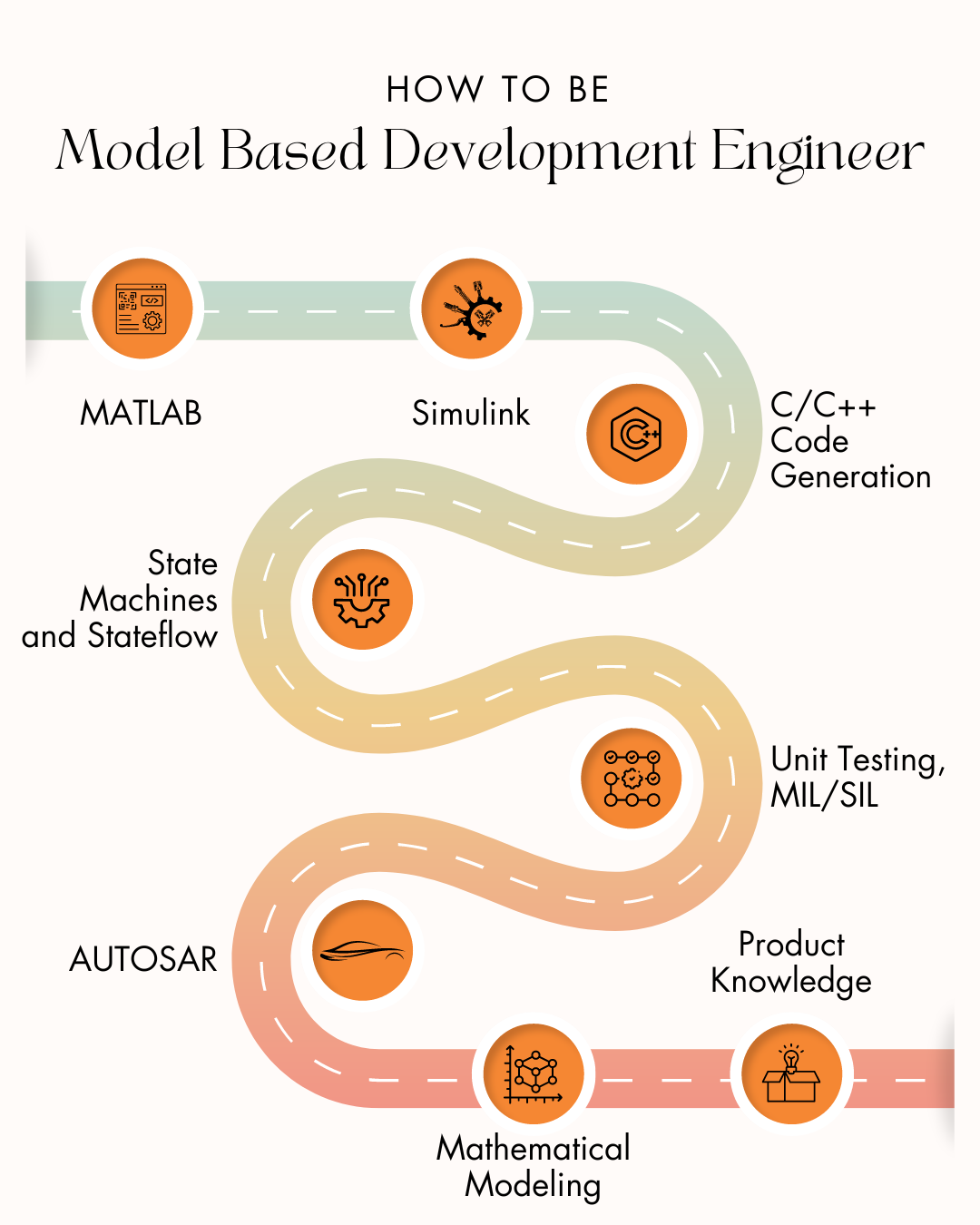
HOW to be a Model-Based Design Engineer
31 Aug 2024
How to Be a Model-Based Design Engineer: ...
7 Sep 2024