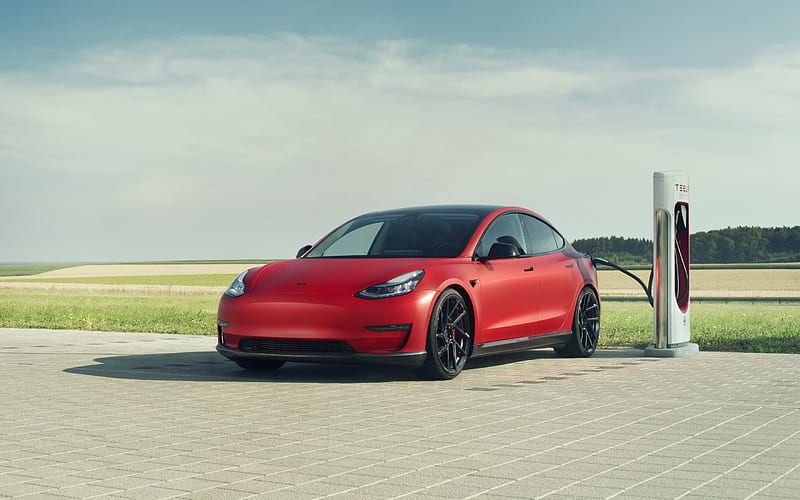
Electric Vehicle Technology Beginner to Intermediate Course
in Green EnergyWhat you will learn?
Gain a comprehensive understanding of high-voltage components in electric and hybrid vehicles.
Analyze the carbon footprint of electric vehicles from a cradle-to-grave perspective.
Identify and understand the performance requirements and considerations for developing hybrid and electric vehicles.
Learn the operation and application of brushless DC and induction motors in EVs and HEVs.
Understand battery operation and performance requirements for different electric vehicle applications.
Master thermal management techniques for battery packs in electric vehicles.
Estimate state-of-charge, state-of-health, power, and energy in electric and hybrid vehicles.
Compare industry approaches and understand regulatory standards for electric vehicles.
Define key vehicle system requirements and select components to meet specifications.
Understand testing and regulatory requirements for electric vehicles and components.
Address safety regulations and improve current testing procedures for electric and hybrid vehicles.
About this course
Explore the unique requirements for various electric vehicle applications, such as HEV, PHEV, EREV, and full electric vehicles. Gain insights into estimating cell size to precisely meet specific operational needs. Additionally, delve into the critical role of Battery Management Systems (BMS) in ensuring and optimizing battery functionality.
Course Content for Electric Vehicle Technology:
- Overview of High Voltage Components in Electric and Hybrid Vehicles: This module provides a complete overview of the high-voltage components involved in electric and hybrid vehicles, offering participants a foundational understanding of the key elements that power these innovative vehicles.
- Carbon Footprint Analysis: Cradle-to-Grave Perspective: Delve into the cradle-to-grave analysis of an automotive OEM, exploring the profound effects of electric vehicles on the carbon footprint. Participants gain insights into the lifecycle impact, making informed decisions on sustainable practices in the electric vehicle industry.
- Hybrid and Electric Vehicle Development Considerations: Explore the main considerations and performance requirements in the development of hybrid and electric vehicles. Participants will grasp the intricacies of various vehicle systems, ensuring a comprehensive understanding of the unique challenges and opportunities presented by electric propulsion.
- Application of Motors in HEV and EV Vehicles: Gain practical knowledge in the operation of brushless DC and induction motors as applied to hybrid electric (HEV) and electric vehicles (EV). Understand torque-speed curves and their practical application in designing efficient and high-performance electric and hybrid electric vehicles.
- Battery Operation and Performance Analysis: Define and analyze battery operation and performance. Explore the unique requirements for various electric vehicle applications, such as HEV, PHEV, EREV, and full electric vehicles. Gain insights into estimating cell size to precisely meet specific operational needs. Additionally, delve into the critical role of Battery Management Systems (BMS) in ensuring and optimizing battery functionality.
Thermal Management in Battery Pack Systems of Electric Vehicle Technology:
Delve into the diverse thermal management methodologies applied to battery pack systems, thereby exploring the associated challenges. Consequently, participants will acquire a comprehensive understanding of effective strategies for maintaining optimal battery health and performance through robust thermal management. Moreover, this exploration fosters a nuanced perspective on the intricate relationship between thermal management techniques and overall system efficiency. By examining both the challenges and strategies, participants are better equipped to make informed decisions in the dynamic field of battery technology.
- State-of-Charge, State-of-Health, Power, and Energy Estimation: Embark on the journey of estimating state-of-charge, state-of-health, power, and energy in electric and hybrid vehicles. This module equips participants with essential tools to proficiently monitor and assess critical parameters that significantly impact vehicle performance and longevity.
- Industry and Regulatory Standards for Electric Vehicles: Compare and contrast various industry approaches. Subsequently, examine the regulatory standards governing hybrid vehicle components, batteries, and charging systems. Throughout this module, participants will gain a comprehensive understanding of the compliance landscape. Moreover, they will appreciate the paramount importance of adhering to established standards in the dynamically evolving electric vehicle industry. Consequently, this knowledge positions them to navigate regulatory complexities and contribute to the industry's ongoing advancements with informed decisions and practices.
- Vehicle System Requirements and Component Selection: Learn how to define key vehicle system requirements and strategically select and size components to meet these specifications. Consequently, participants will acquire skills in system optimization, ensuring the efficient and effective integration of components within the electric vehicle architecture. Furthermore, this process facilitates seamless collaboration between various elements, fostering a cohesive and high-performing system. Ultimately, the goal is to streamline the integration process and enhance overall electric vehicle functionality.
Testing and Regulatory Requirements for Electric Vehicles:
Gain a comprehensive understanding of testing and regulatory requirements for electric vehicles and components at both the system and subsystem levels. Participants will navigate the complex landscape of international safety regulations, ensuring compliance and reliability in electric vehicle technology.
- International Safety Regulations and Drawbacks in Testing Procedures: Meeting safety regulations at the international level, highlighting the drawbacks of current testing procedures employed by international testing agencies for electric and hybrid vehicles. Participants will be equipped with insights to address safety concerns and advocate for improved testing methodologies in the industry.
Enroll in this comprehensive training program to master the intricacies of electric vehicle technology and become a skilled professional in this dynamic and rapidly evolving field. Upon completion, participants will possess the knowledge and skills needed to contribute effectively to the future of electric mobility.
For more courses: DEV-HOC
Requirements
Basic engineering physics knowledge is required
Comments (0)
Introduction to the course
IC_ENGINES_VS_E_MOTORS_Characteristics
IC_ENGINES_VS_E_MOTORS_Efficiency
Cradle_to_Grave_Study_EV_1of2
Cradle_to_Grave_Study_EV - 2of2
Understanding Electric Vehicle Components - A to Z - 1of2
Understanding Electric Vehicle Components - A to Z - 2of2
Hybrid_Vehicle_Powertrain - 1of2
Hybrid_Vehicle_Powertrain - 2of2
Electric vehicle Target setting
Electric Motors_BLDC_PMSM - 1of4
Electric Motors_BLDC_PMSM - 2of4
Electric Motors_BLDC_PMSM - 3of4
Electric Motors_BLDC_PMSM - 4of4
Electric Motors_Induction_SRM_SUMMARY - 1of2
Electric Motors_Induction_SRM_SUMMARY - 2of2
Electric Motors_Thermal_sensors_Bearings - 1of2
Electric Motors_Thermal_sensors_Bearings - 2of2
Electric Motor Control_Four_quadrant
Electric Motor control_ FOC - 1of3
Electric Motor control_ FOC - 2of3
Electric Motor control_ FOC - 3of3
Motor_Inverter_Layout_EV
Basics of Battery Pack Design
BATTERY SELECTION Methodology
BATTERY SELECTION
BATTERY SIZING CONSIDERATION_1of2
BATTERY SIZING CONSIDERATION - 2of2
BATTERY THERMAL MANAGEMENT SYSTEM DESIGN BASICS
BATTERY MECHANICAL PACKING AND PROTECTIONS
Battery Management System
Module 4_Topic 1 - Charging system design considerations
Module 4_Topic 2 - AC DC CHARGING
Module 4_Topic 3 - DETAILED LOOK INTO A 3.3KW ON BOARD CHARGER
Module 4_Topic 4 - DETAILED LOOK INTO A 3.3KW ON BOARD CHARGER CHARGER COMMUNICATION SYSTEM
Module 5_Topic1 - EV_Powertrain_Calculation